Capabilities·Modernize
Modernize
The old system nobody dares change, traced rule by rule and rebuilt in your cloud.
We read it before we touch it. Each rule the old system holds is written down, agreed with your experts and proven again in the new one.
Let's talkan old core system or a licensed tool no longer fits the business.
Or if every new idea ends with “the system cannot do that”.
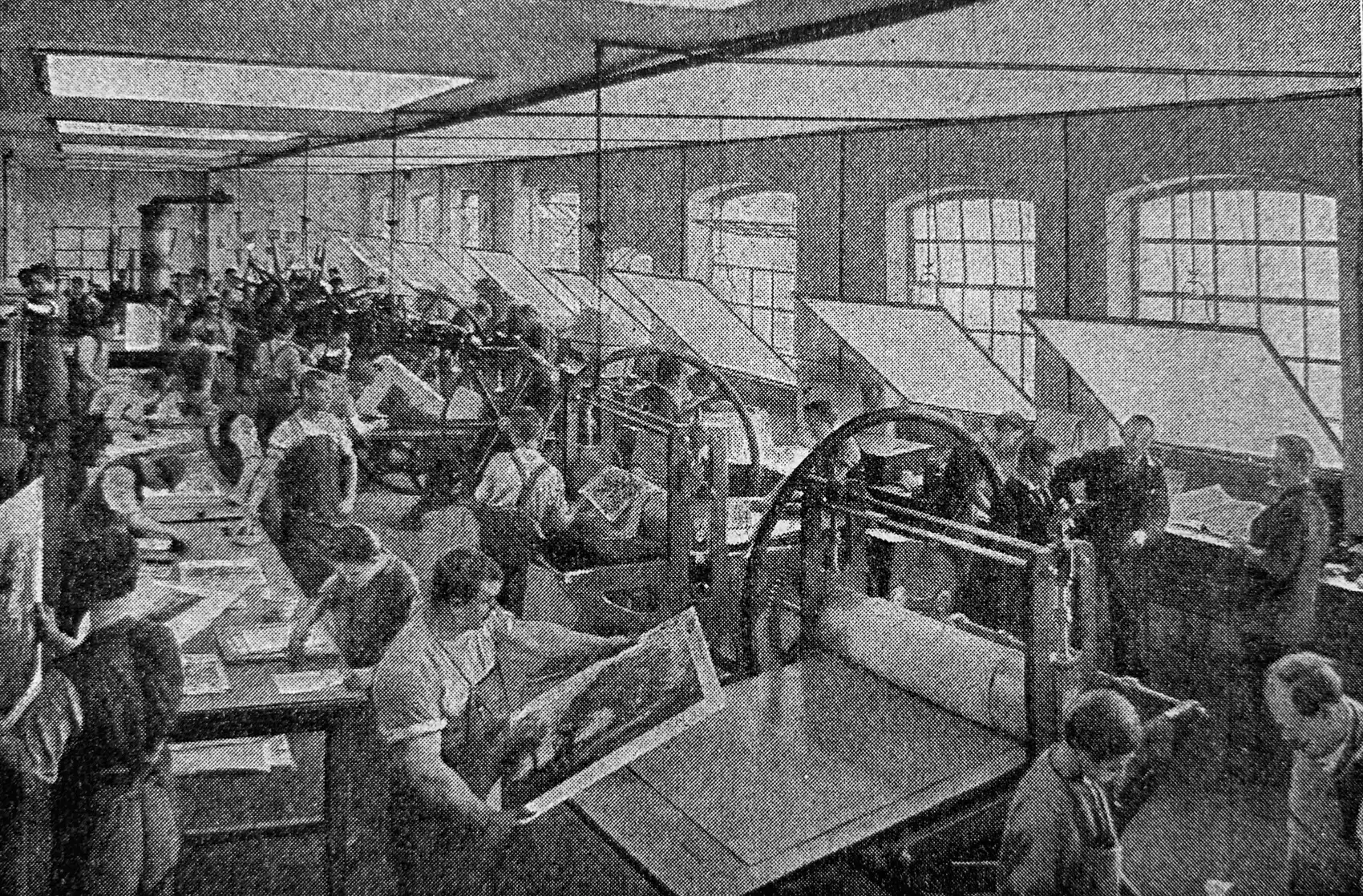
A print works, about 1900.
A system the business can changewithout fear.
An old system is hard to change because nobody is sure what it does. The rules live in the code and in the heads of a few people, some of whom have left.
So the first thing we build is not software. It is the written account of what the system must do, agreed with the people who know. The new system is built from that account, and proven against it.
Agents read the system you have and write down every rule, screen and data flow, each traced to its code. They read structure and counts, never your data.
Each rule becomes a requirement your experts sign. A rule nobody can explain is a question, not a guess.
One requirement at a time, test first, in your cloud, in six-week cycles: an eighteen-month rebuild is nine releases, each planned from the last. How a cycle runs
What the old system does is the first test of the new one. Every difference is fixed, or signed off as a change you wanted.
All the code is yours to keep, with the record of what the system must do.
What we modernize
Whatever the business stands on and can no longer change.
Policy, claims, billing, order and case systems whose rules were written decades ago. Rebuilt as software your teams can read, test and change.
Customer, operations and finance data brought into one governed platform in your cloud, ready for reporting, analytics and the agents that will depend on it.
A licensed tool the business has outgrown, or bent so far it is a custom system anyway. Replaced by software built for how you work, which you own.
The unofficial systems that hold everything together. Written down, tested and made part of the real one.
How it goes
In slices, not in one night. Each slice is accepted before the next begins, and the old system stays until then.
Read what exists
ithara® maps the screens, the data, the rules and the connections to other systems. You see what you have, often for the first time in years.
Agree what it must do
The map becomes requirements with acceptance criteria. Your experts keep what still matters and drop what does not.
Rebuild and prove
Our agents build one requirement at a time, tests first. A separate agent then uses the new system as each of its people would.
Move a slice at a time
One part of the business moves when a person you name accepts it. Then the next.
Agents are the part that shows.What they stand on decides whether they last.
An agent built on a system nobody dares change inherits its faults. So Modernize often runs beside Agents: the agent takes on a task above the waterline while the system under it is traced and rebuilt.
And because the written account outlives the code, the new system does not become the next legacy. What it must do stays in the record, not in someone's head.
Next
A capability rarely stands alone. Two that sit beside this one.
Start with the system nobody dares change.
Just a conversation about what you're building. No forms that ask for your budget range. No sales screening process.